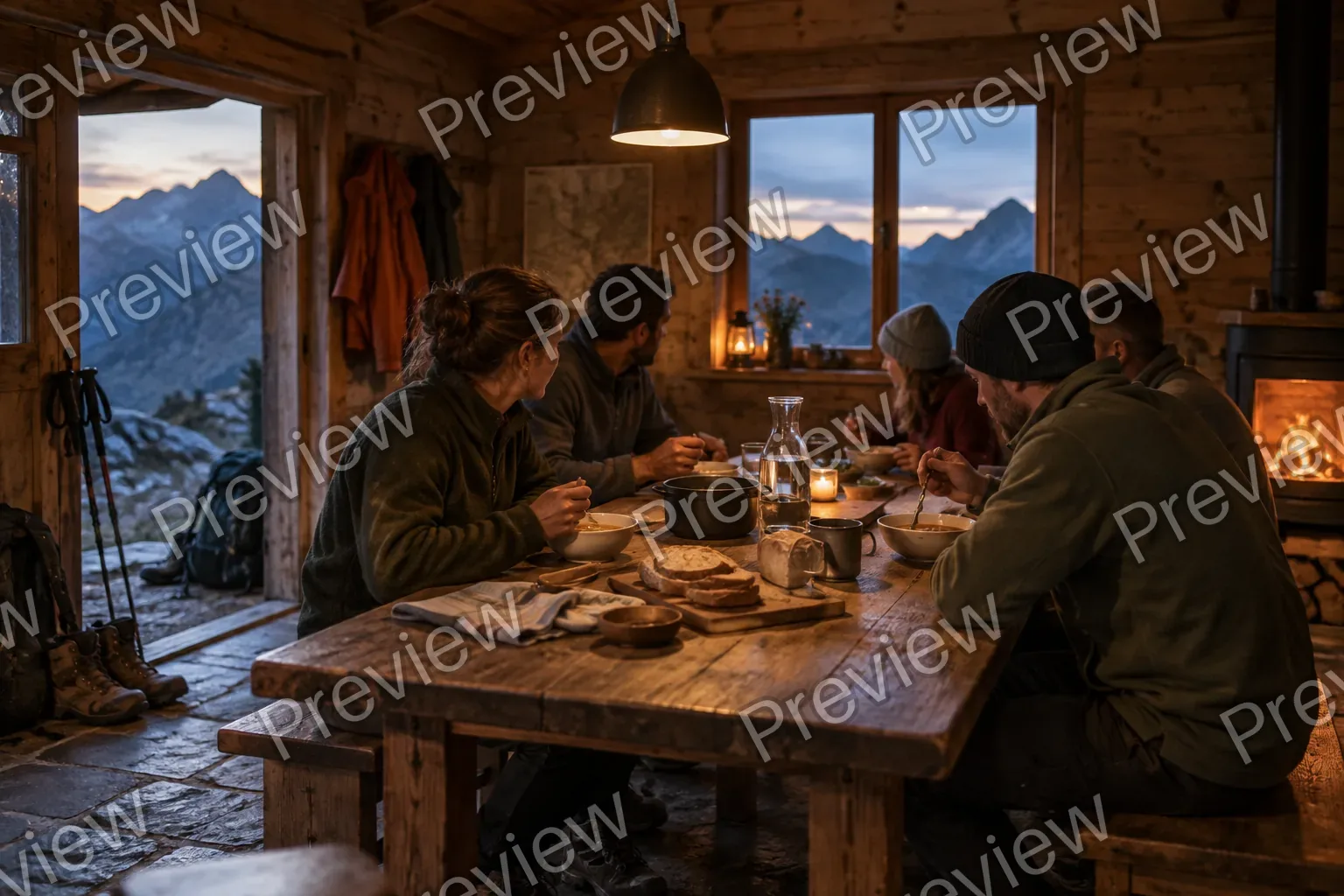
Every spring, two of us spend three weeks sleeping in beds we may never sell. Last season that meant twenty-eight rooms across one coastline, of which nine made it onto our list. The eliminations are more revealing than the choices.
What we actually check
- Road noise with the window open, at 23:00 and again at 06:30
- Whether a bag can be carried to the room without three flights of stairs
- Breakfast at the real serving time, not the one in the brochure
- Water pressure and hot water after a long walking day
- Whether a family of four fits without someone sleeping on a folding bed
- How the owner reacts when something goes wrong in front of them
That last one matters more than anything photographable. A small hotel will have a bad night at some point in your stay — a late transfer, a failed boiler, a booking in the wrong name. We want to know whether the person at the desk solves it or explains why it is not their problem.
Views come near the bottom of the list, which surprises people. A spectacular terrace is worth very little if the room above the kitchen extractor is the one with your name on it, and we would rather put you in a plain room on the quiet side with ten minutes’ walk to the water.
We pay our own way on these trips and we never accept a free stay in exchange for placement. It is an expensive habit, and it is the reason we can write a line like “ask for room 4, not 7” in your route notes and mean it.
If you want to know why a particular hotel is or is not in your plan, ask. There is a note on file for every one of them, usually with the honest version.