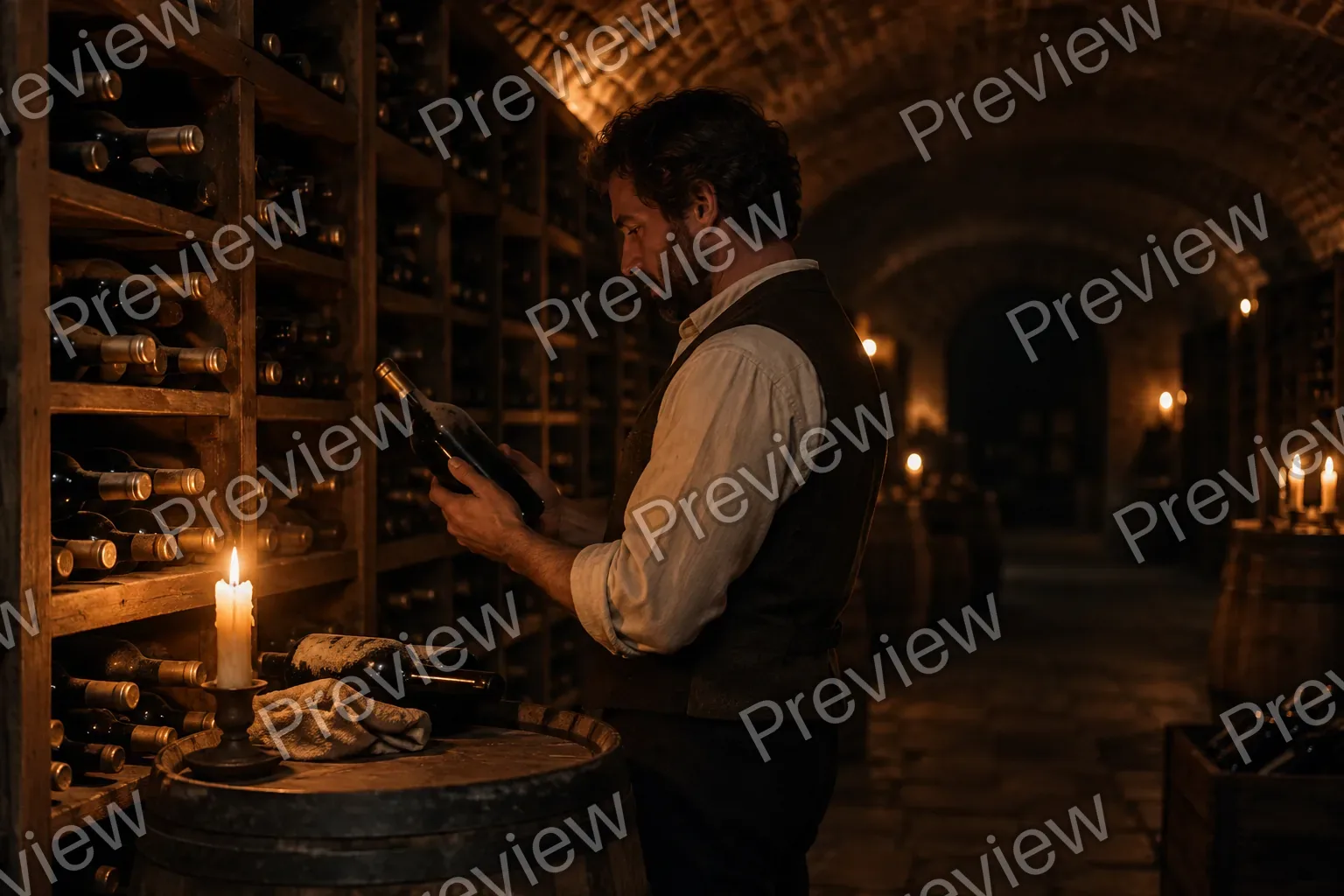
Six hundred labels sounds like a lot until you stand in the cellar and see how many of them come from the same few dozen families. We buy slowly, usually after a visit, and we buy again for years once we trust someone.
What earns a place
We are not looking for rarity. We are looking for wine that tastes of a place and holds its nerve next to smoke, which rules out a surprising number of well-made, polished bottles. Beyond that the questions are simple.
- Who farms it, and do they still work the vines themselves
- Low yields and old vines, where the family has them
- As little intervention as the vintage allows, and honesty about the rest
- Will it still be drinking well in five years
Six we keep coming back to
A family on a windy coast making saline old-vine whites in amphora, barely eight thousand bottles a year. A mountain estate farming half a hectare of dry riesling across three terraces. A cooperative of four cousins reviving vineyards that had been abandoned for thirty years. One grower who foot-treads everything and ages in old wood. A sparkling producer who waits three years on the lees and adds no sugar. And a single-press maker who supplies the non-alcoholic ferment we pour by the glass.
Some of these estates send us twelve bottles a vintage. Those go into the reserve racks and come out a few at a time, usually when someone at the chef’s table asks the right question.
Ask, don’t read
The list runs to forty pages, which is forty pages too many for a candlelit room. The fastest way through it is to tell the sommelier a grape you love, a price you are comfortable with or a bottle you remember from a holiday. The answer is usually on the table within a minute, and it is often not what you expected.