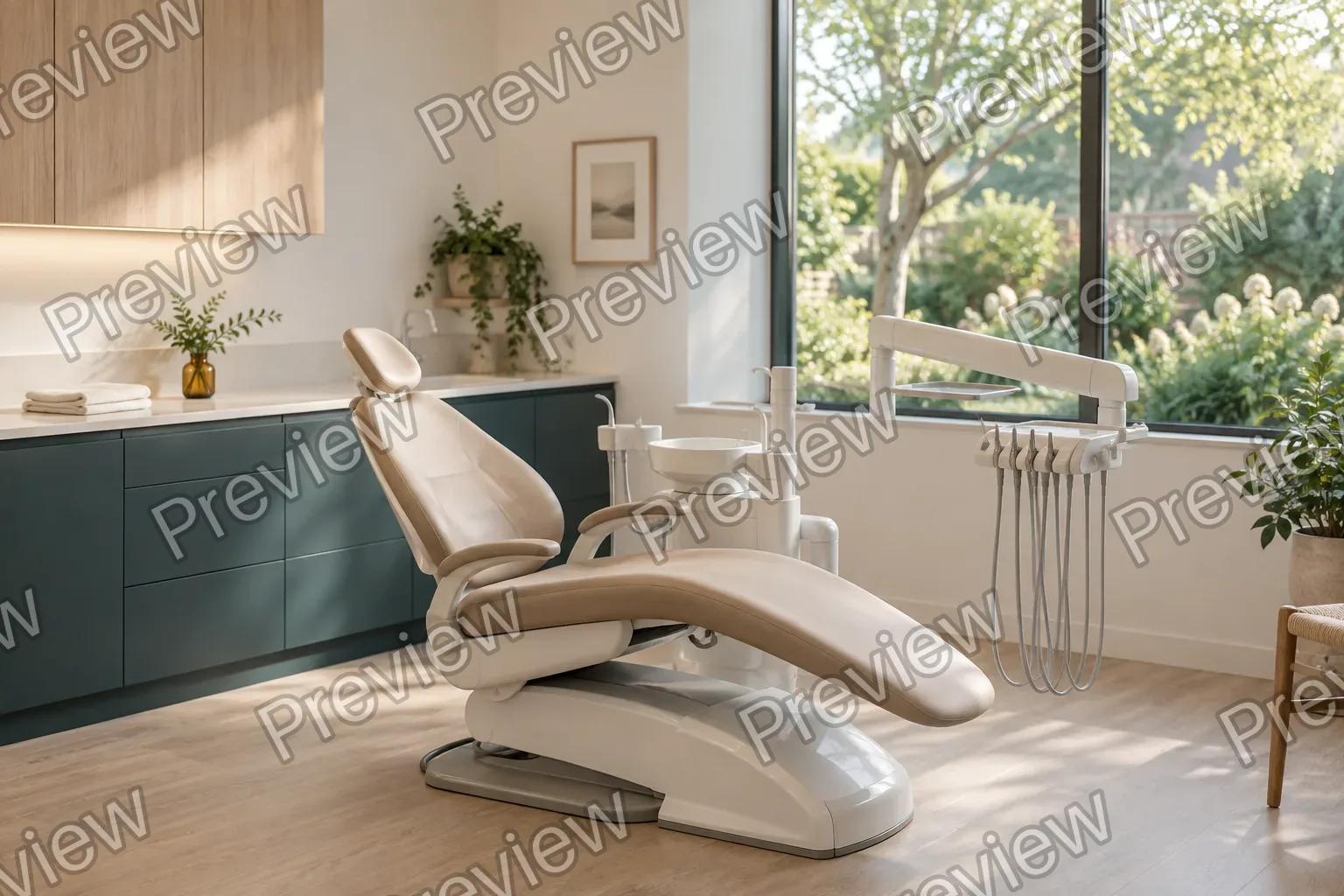
The single most common sentence we hear in a first appointment is some version of “I know I should have come sooner.” Nobody at Brightline is interested in that conversation. What matters is the visit you are making now.
Nobody is going to tell you off
People who have stayed away usually expect to be criticised. It does not happen here, and not only out of politeness — shame is the reason most people delayed in the first place, so adding more of it would be a strange way to help. We look at what is in front of us and work out where to start.
Start smaller than you think
You do not have to walk in and open your mouth. Reasonable first steps include:
- A talk-only appointment with no instruments out
- Coming in to see the room and meet the dentist
- Bringing a friend or partner into the treatment room with you
- Agreeing a hand signal that stops everything instantly
Any of these can be booked by phone, and none of them obliges you to go further on the day.
Treatment in pieces
If there is work to do, it almost never has to happen at once. We put it in order: anything painful or urgent first, then the rest spread over months at a pace you set. Seeing one thing finished, and finding it comfortable, does more for confidence than any amount of reassurance beforehand.
It is rarely as bad as you imagine
Long gaps feel catastrophic before the appointment. In practice, the majority of returning patients need less treatment than they feared, and modern anaesthetic and technique make the treatment itself straightforward. The hardest part really is the phone call.